

 Machu Picchu
VIP Sacred Valley and Machu Picchu 2-Day Tour
The 2-day VIP Sacred Valley and Machu Picchu tour combines the VIP Sacred Valley route (Chinchero,...
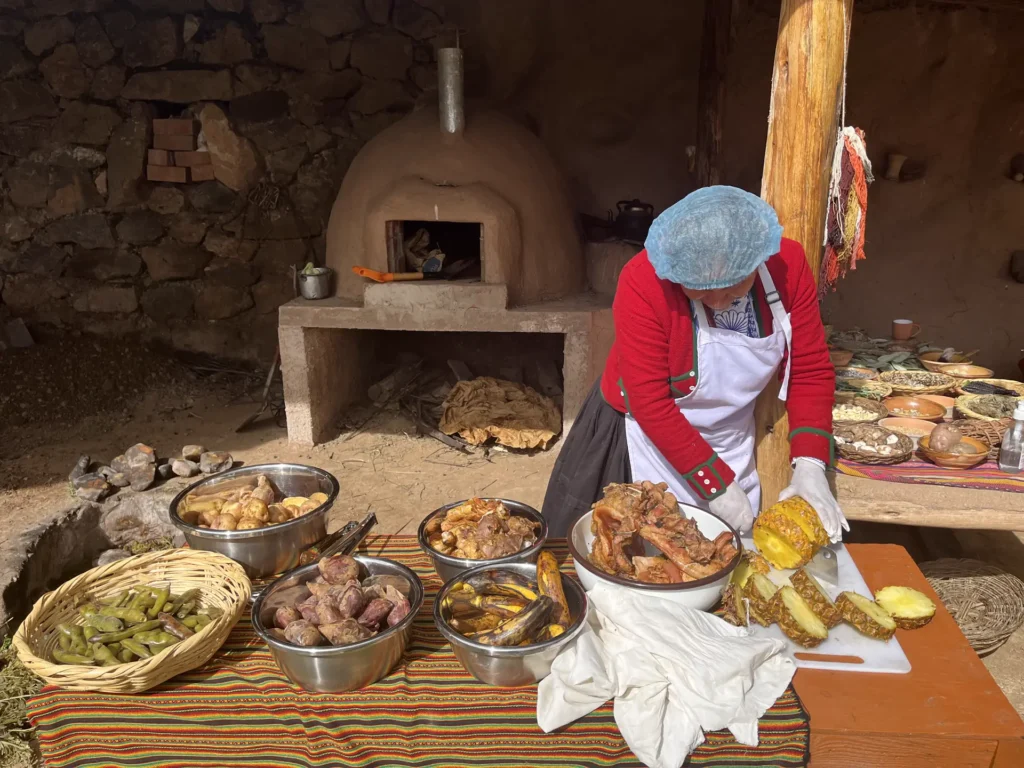
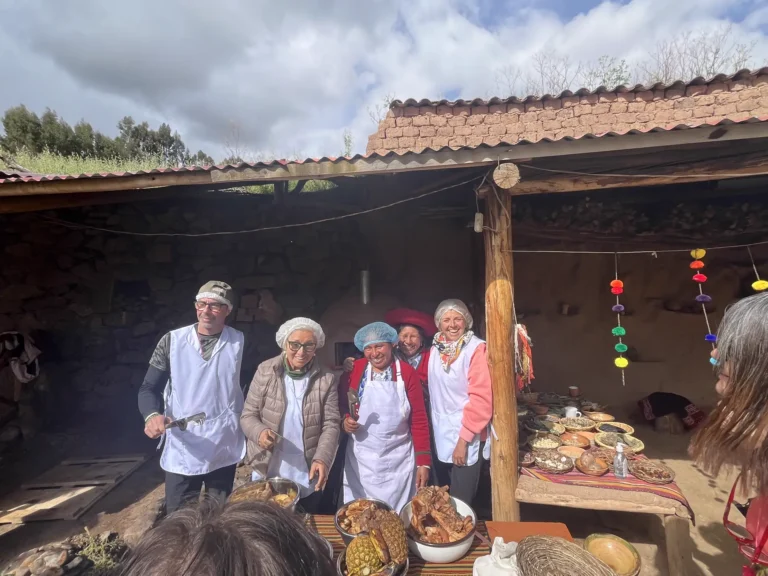
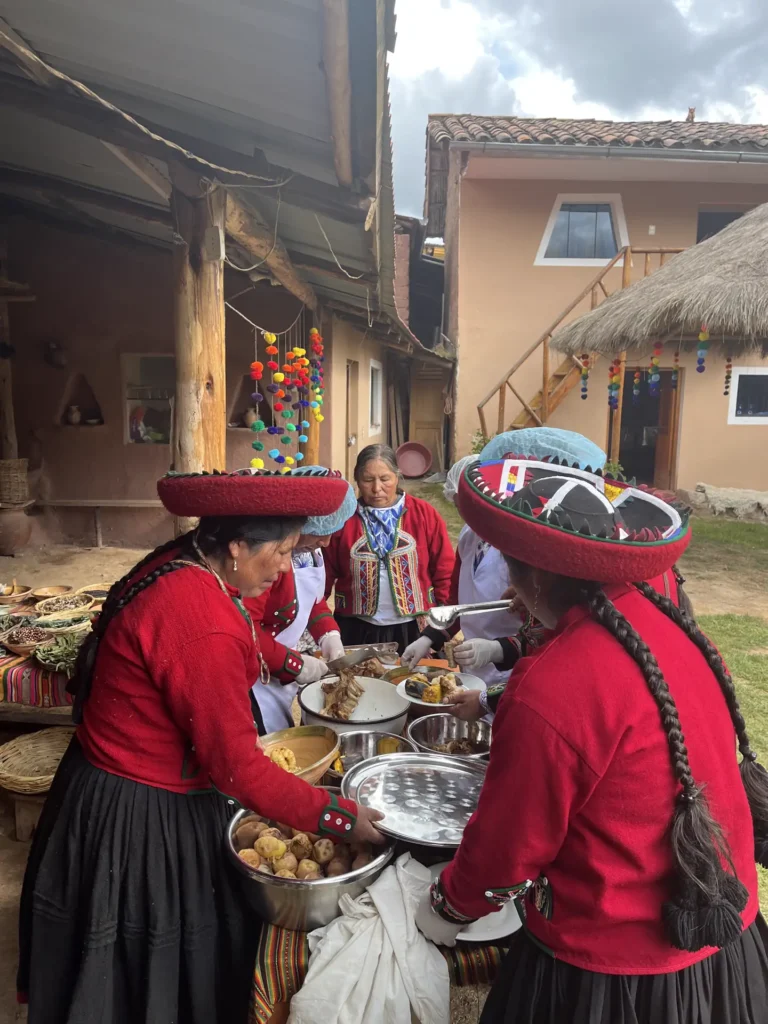
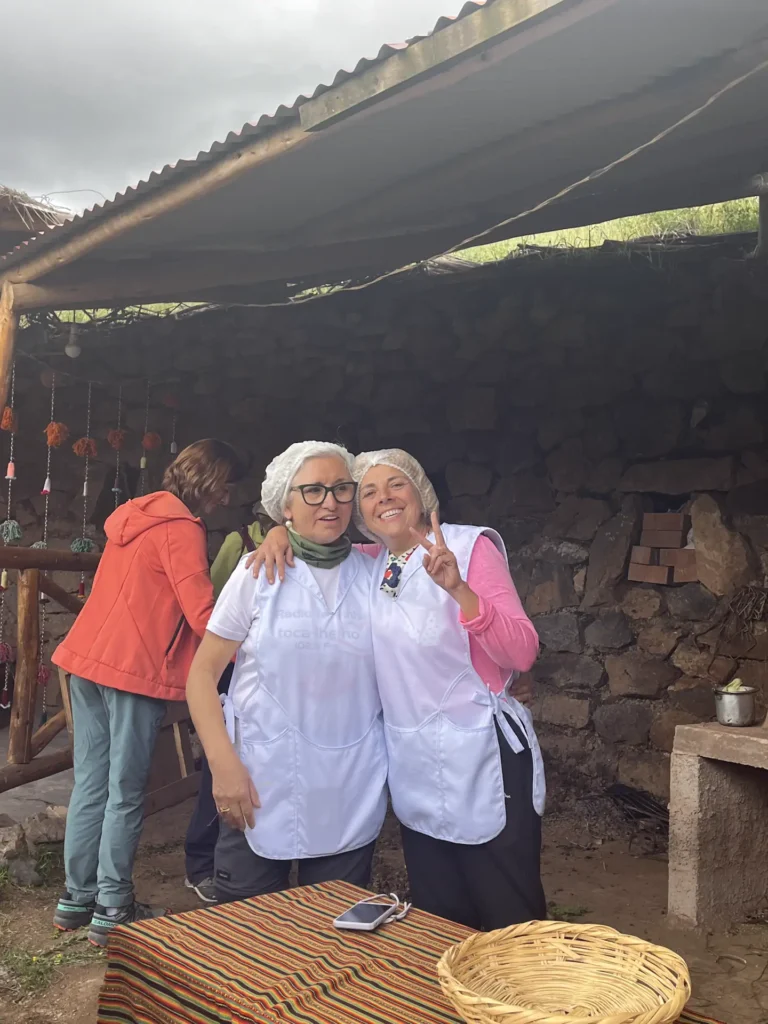
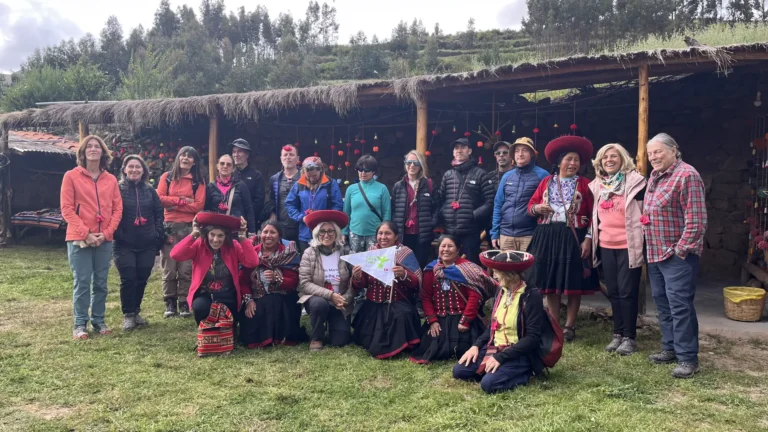
On this day, we will pick you up from your hotel at the scheduled time and head toward the district of Chinchero, where our culinary and cultural tour will begin.
Upon arrival, visitors will receive a warm welcome accompanied by traditional Andean music and songs performed by our friendly hosts, marking the beginning of an enriching day filled with culture and tradition.
Next, the visitors and hosts will introduce themselves, sharing their names, places of origin, and what they like most about or what attracted them to Peru. As a gesture of hospitality, guests will be offered muña or coca tea, accompanied by toasted corn (canchita).
We will then have a presentation about the importance and ancestral significance of this cultural activity. We will settle into the designated area for the culinary experience and begin preparing the area's traditional dish: Pachamanca.
The products and ingredients to be used will be introduced, along with information about their characteristics and origins. We will then begin placing the ingredients into the traditional Andean oven. Visitors will also have the opportunity to actively participate in the preparation and subsequent burial of the food, allowing the cooking process underground to begin.
While the Pachamanca is cooking, we will take the opportunity to encourage cultural exchange between hosts and visitors, sharing experiences and stories in an atmosphere of respect and mutual learning.
Once the cooking process is complete, we will prepare to serve and enjoy this delicious traditional dish, sharing lunch in a warm and friendly atmosphere.
Afterwards, we will enjoy a demonstration of Andean textile art, showcasing ancestral techniques such as shearing, spinning, and weaving used to create beautiful handcrafted pieces. There will also be an exhibition and sale of traditional textiles and regional products.
We will conclude this enriching experience with a heartfelt farewell accompanied by traditional music, thanking our visitors for their participation and the valuable cultural exchange we have shared.
Finally, we will board our return transportation to Cusco, where each visitor will be dropped off at their respective hotel.
Pachamanca is a traditional Andean ritual that involves cooking meats, tubers, corn, and other ingredients in a pit in the ground using hot stones. The name comes from the Quechua words Pacha (earth) and Manka (pot), and it is considered an act of gratitude to Pachamama, Mother Earth.
Pachamanca is a traditional Andean dish that symbolizes a deep connection with the earth. It is prepared in a unique way using hot stones placed inside a pit dug into the ground, giving the food its distinctive flavor. This cooking method, known as “cooking underground,” has been practiced for generations by Indigenous communities in the Andes, particularly in the Cusco and Sacred Valley regions.
One of the most important ingredients is the potato, a tuber of great cultural significance in the region. There are more than 3,000 varieties of potatoes in the Andes, and Pachamanca provides an opportunity to taste different varieties, each with its own unique texture and flavor. The preparation also commonly includes other tubers such as sweet potatoes and corn, which are essential components of the Andean diet.
The culture of Pachamanca is closely connected to the Andean worldview, in which Pachamama (Mother Earth) is revered. The food prepared through Pachamanca is considered an act of gratitude toward her. Before cooking begins, communities often perform a ceremony to ask permission from the earth and give thanks for a good harvest. This represents respect for the natural elements that provide their food.
Finally, this ritual is not only a way of cooking but also a social celebration. Pachamanca is best enjoyed as a group, as it is a dish that brings families and communities together. Sharing food prepared in this traditional way strengthens social bonds and helps keep these traditions alive for future generations.
Machu Picchu
The 2-day VIP Sacred Valley and Machu Picchu tour combines the VIP Sacred Valley route (Chinchero,...
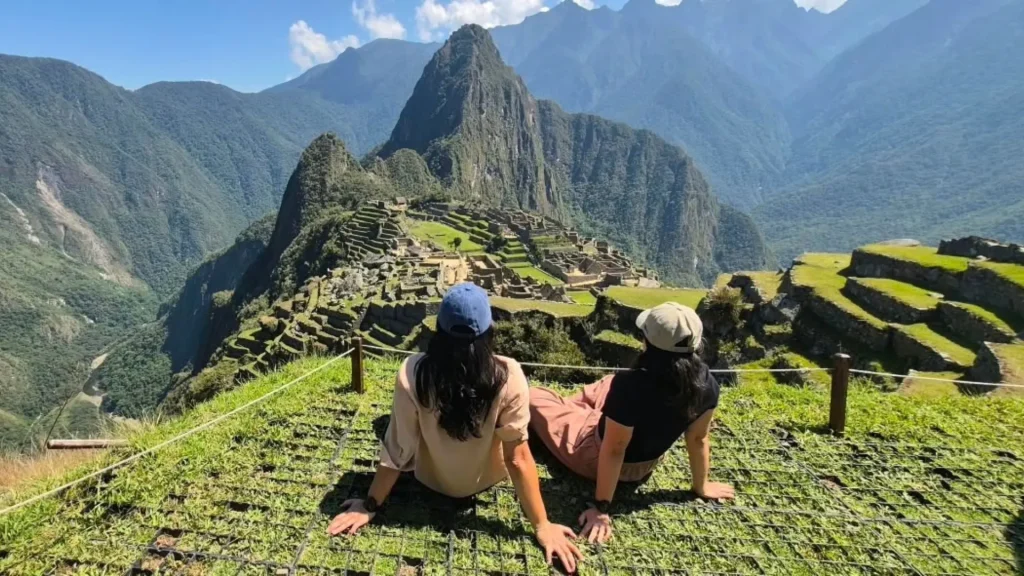 Machu Picchu
The 2-day Sacred Valley and Machu Picchu tour combines the Sacred Valley of the Incas with...
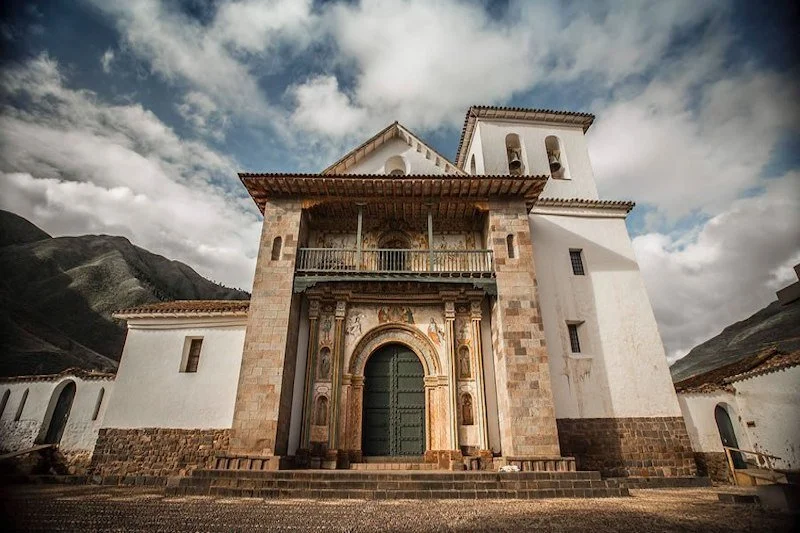 Cusco
This tour is renowned for its captivating blend of stunning natural landscapes, Inca architecture at Tipón,...