

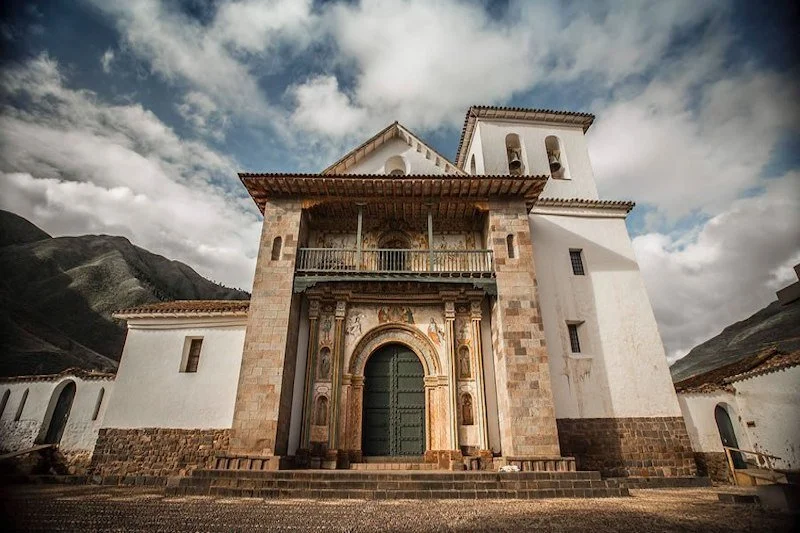
Cusco’s South Valley is the stretch of the road towards Urcos and Puno, in the province of Quispicanchi, less than an hour from the city. It brings together three very different visits: Tipón, the great Inca water sanctuary; Pikillaqta, a city of the Wari culture, older than the Incas; and the church of Andahuaylillas, known as the “Sistine Chapel of the Americas”. Tipón and Pikillaqta are included in the Tourist Ticket; the churches have their own ticket. It can be visited in half a day. Here is what to see, tickets, opening hours and how to get there.
Data as of 26 October 2026. Opening hours and descriptions from the Decentralized Directorate of Culture of Cusco (DDC) and the MINCETUR tourism inventory; fares from COSITUC and the Ruta del Barroco Andino (Andean Baroque Route). The official sources are listed at the end of the article.
- 6th – 9th centuriesthe era of Pikillaqta, a city of the Wari culture
- 7:00 – 16:30opening hours of Tipón and Pikillaqta (DDC)
- 40 kmfrom Cusco to Andahuaylillas, about 55 minutes
Tipón: the Inca water sanctuary
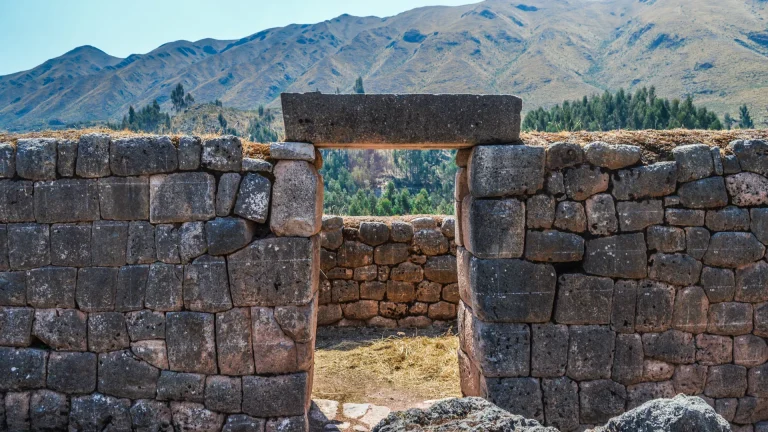
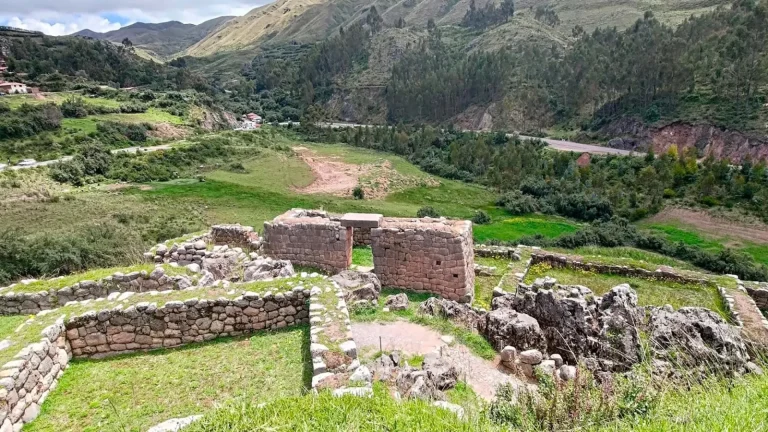
According to the DDC Cusco, Tipón is “the most significant sacred space of water worship”: a complex of canals, fountains and reservoirs with agricultural, ceremonial and domestic water systems. It is in the community of Choquepata (district of Oropesa), at about 3,430 m (11,253 ft), and its archaeological park covers 239 hectares. Tradition attributes it to the Inca Wiracocha, although the American Society of Civil Engineers (ASCE), which recognized it as an International Historic Civil Engineering Landmark, notes that its outer wall predates the Incas.
- Royal enclosures and gardens: terraces with fountains and canals through which water still flows.
- Intiwatana: on a hill above the complex, with tall trapezoidal niches.
- Cruz Moqo viewpoint: with a view towards Cusco. The Qhapaq Ñan, the Inca road, runs through the upper part of the site.
Since March 2026 the DDC has been restoring the Sinkuna Kancha and Hornopata sectors and the terraces, so some areas may be under works. The ground is rocky, with a wooden staircase anchored to the rock: according to the DDC, there is no level access for people with disabilities. Do not touch or step into the fountains: in 2022, after an incident with tourists, the DDC placed them under permanent watch.
Pikillaqta: the Wari city
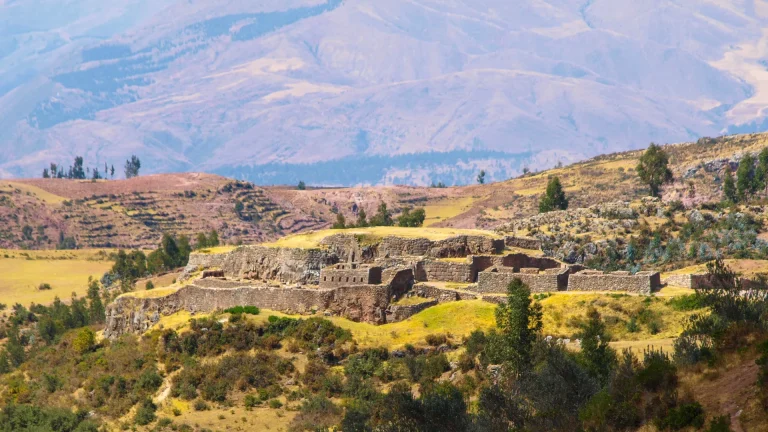
Pikillaqta was an administrative center of the Wari culture, from between the 6th and 9th centuries AD, according to MINCETUR: centuries before the Incas. The DDC describes it as a planned city, with blocks of rectangular and square buildings separated by straight streets: some 700 buildings, 200 canchas (enclosures) and 508 storehouses (colcas), with stone and mud walls up to 12 m (39 ft) high that give it the look of a fortress. The walls were usually plastered with gypsum, some with painted figures, and it is estimated that about 10,000 people lived there. COSITUC translates its name from Quechua as “town of the fleas”.
It is about 32 km from Cusco, at about 3,190 m (10,466 ft). Its archaeological park includes the Rumiqolqa gateway, next to the road, a buttressed structure linked to the aqueduct that supplied Pikillaqta with water; there, in 2017, the ASCE recognized the Qhapaq Ñan as an International Historic Civil Engineering Landmark. Very close by is the Lucre – Huacarpay wetland, a Ramsar site since 2006, with more than 70 bird species recorded.
Andahuaylillas and the Ruta del Barroco Andino
The church of San Pedro Apóstol de Andahuaylillas, on the town square, is known as the “Sistine Chapel of the Americas” for the murals that cover its walls and ceilings, according to PromPerú. It was built between the late 16th and early 17th centuries on a chapel raised on top of an Inca temple, and most of its murals are attributed to the painter Luis de Riaño, according to MINCETUR. Its main altar is made of cedar with gold leaf, and it has been Cultural Heritage of the Nation since 1960. It is run by the Society of Jesus (the Jesuits).
With the same ticket you can visit two other churches on the route:
- San Juan Bautista de Huaro: its murals of death, judgment, heaven and hell were completed by the Cusco painter Tadeo Escalante in the early 19th century.
- Chapel of the Virgen Purificada de Canincunca: from the 17th century, with walls covered in paintings, built on an ancient Wari ceremonial center. Its restoration was announced in 2024: check whether it is open.
Oropesa and Saylla: bread and chicharrón
On the way back to Cusco, the road passes through Oropesa, declared Capital Nacional del Pan (National Bread Capital) by Law 31389 (2022) and famous for its large loaves called chutas, and through Saylla, known for its chicharrón (fried pork) eateries. And in Tipón, oven-roasted cuy (guinea pig) is traditional, according to the Regional Directorate of Foreign Trade and Tourism of Cusco.
Tickets and opening hours
| Place | Entry | Opening hours |
|---|---|---|
| Tipón and Pikillaqta | Tourist Ticket: circuit II partial ticket (S/ 70 foreigners, 2 days; S/ 40 Peruvians, 1 day) or full ticket (S/ 130 / S/ 70, 10 days) | 7:00 – 16:30 |
| Andahuaylillas, Huaro and Canincunca | Valle Sur ticket of the Ruta del Barroco Andino: S/ 18 general, S/ 10 students and Peruvians; valid for 7 days for the three churches | Andahuaylillas 7:30 – 17:30; Huaro and Canincunca 8:30 – 16:30 |
The circuit II partial ticket also includes six museums and monuments in the city (details in Cusco Tourist Ticket 2026). These are the COSITUC fares in force in October 2026; the regulations of Law 32586 are still under consultation. The churches’ ticket is the one in the fare list published by the Ruta del Barroco Andino (opening hours in force since August 2023), and it is sold at any of the churches: confirm it at the ticket office. According to MINCETUR, people from Cusco enter free with their DNI (national ID).
How to get there and how much time to allow
Everything is on the Cusco – Urcos road. The logical order is Tipón, Pikillaqta and Rumiqolqa, Andahuaylillas and, if you have time, Huaro and Canincunca:
- Tipón: 17.5 km along the Cusco – Sicuani road to the Tipón stop, then about 4 km uphill on a paved road (DDC).
- Pikillaqta: about 32 km from Cusco, next to the road.
- Andahuaylillas: 40.4 km, about 55 minutes (MINCETUR).
There are combis (minibuses) from Cusco towards Urcos; we do not publish fares because there is no official data. According to PromPerú, Tipón, Pikillaqta and Andahuaylillas can be visited in half a day, and the full route of the Baroque churches in one day. Keep closing times in mind: the parks close at 16:30.
The most comfortable way is our South Valley tour: we pick you up at your hotel in the morning, visit Tipón, Pikillaqta and Andahuaylillas with a guide, stop in Saylla and return to Cusco at around 15:30.
Tips for your visit
- Bring your ID document with the Tourist Ticket, which is issued in your name, and cash in soles for the churches’ ticket.
- At Tipón and Pikillaqta, the DDC does not allow entry with food, alcoholic drinks or animals, climbing or painting the walls, camping, or flying drones without its authorization.
- Wear comfortable shoes: both parks have rocky ground and stone stairways.
- The South Valley is lower than the city of Cusco, at 3,399 m (11,152 ft); even so, if you have just arrived, read how to prevent altitude sickness. It rains mostly from December to March (SENAMHI); more in the best time to visit Machu Picchu.
For the rest of the city and its surroundings, read things to do in Cusco.
Official sources (checked in October 2026):
- DDC Cusco: Tipón Archaeological Park, Pikillaqta Archaeological Park and 2026 restoration works.
- MINCETUR tourism inventory: Tipón, Pikillaqta, Andahuaylillas church, Huaro church and Canincunca chapel.
- ASCE, Tipón; Qhapaq Ñan at Rumiqolqa: Andina (2017). Lucre – Huacarpay wetland: Ramsar. Oropesa: Law 31389.
- Tickets: COSITUC and Ruta del Barroco Andino. Climate: SENAMHI, Climate Normals 1991–2020.
Frequently asked questions
What is there to see in Cusco's South Valley?
Tipón, the Inca water sanctuary; Pikillaqta, a city of the Wari culture; the Rumiqolqa gateway; and the Baroque churches of Andahuaylillas, Huaro and Canincunca. On the way back you pass through Oropesa, the bread capital, and Saylla.
Which ticket do I need for Tipón and Pikillaqta?
The Cusco Tourist Ticket: the circuit II partial ticket (S/ 70 foreigners, 2 days; S/ 40 Peruvians, 1 day) or the full ticket (S/ 130 and S/ 70, 10 days). COSITUC fares as of October 2026.
How much is the entry to Andahuaylillas?
The Valle Sur ticket of the Ruta del Barroco Andino costs S/ 18 general and S/ 10 for students and Peruvians, and is valid for 7 days for the churches of Andahuaylillas, Huaro and Canincunca. It is not part of the Tourist Ticket.
What are the opening hours of Tipón and Pikillaqta?
From 7:00 to 16:30, every day, according to the Decentralized Directorate of Culture of Cusco.
What period is Pikillaqta from?
It was an administrative center of the Wari culture, from between the 6th and 9th centuries AD, according to MINCETUR. It predates the Incas.
Why is Andahuaylillas called the Sistine Chapel of the Americas?
Because of the murals that cover the walls and ceilings of its church of San Pedro Apóstol, mostly attributed to the painter Luis de Riaño.
How much time do you need for the South Valley?
Half a day for Tipón, Pikillaqta and Andahuaylillas, according to PromPerú. If you add Huaro and Canincunca, allow a full day. The parks close at 16:30.