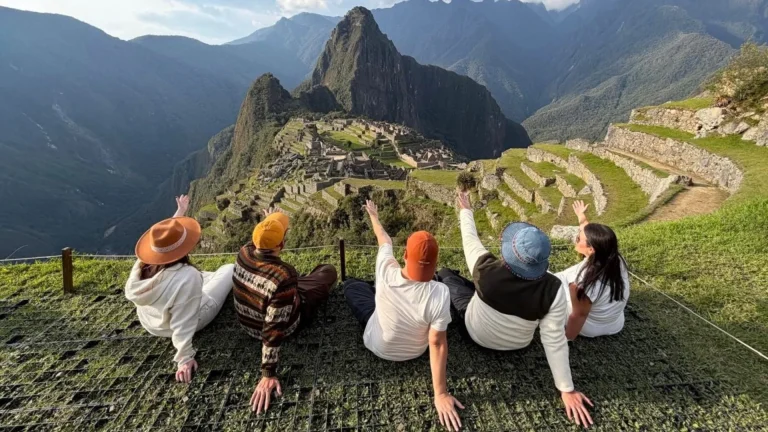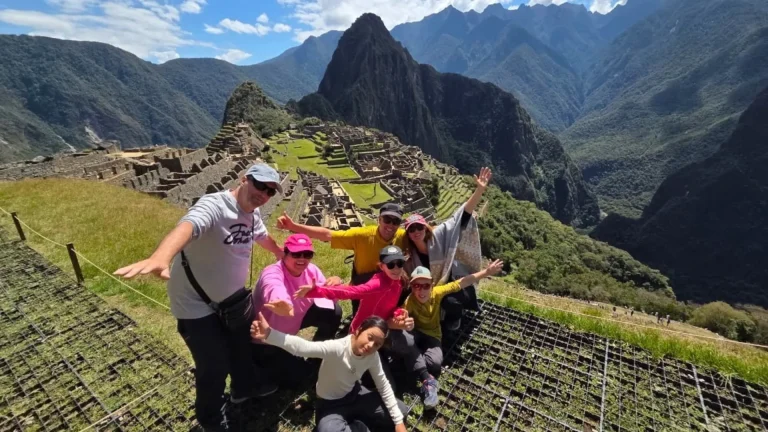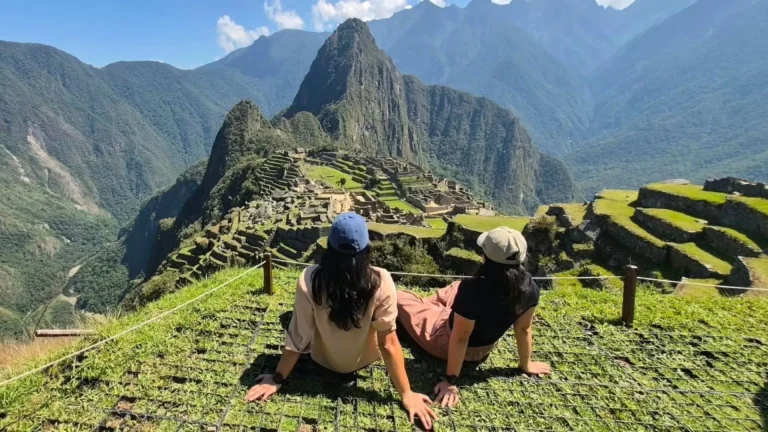


Machu Picchu is 2,430 meters (7,972 ft) above sea level, almost 1,000 meters lower than the city of Cusco, at 3,399 m (11,152 ft). The Sacred Valley lies in between: its towns are at around 2,870 to 2,990 m (9,416 to 9,810 ft), although Chinchero reaches 3,750 m (12,303 ft). According to Peru’s Ministry of Health, precautions should be taken above 2,500 m (8,202 ft), because altitude sickness (soroche) can occur. This guide gives the official altitude of each place and what the health authorities recommend to prevent it.
This article does not replace a medical consultation. It summarizes the recommendations of Peru’s Ministry of Health (MINSA) and the U.S. Centers for Disease Control and Prevention (CDC). Before you travel, especially if you have a heart or lung condition or high blood pressure, or are pregnant, consult your doctor.
- 2,430 maltitude of the Machu Picchu citadel (7,972 ft)
- 3,399 maltitude of the city of Cusco (11,152 ft)
- 2,500 mthe altitude (8,202 ft) above which MINSA recommends taking precautions against altitude sickness

Altitude of each place
| Place | Altitude above sea level | Source |
|---|---|---|
| Lima (for reference) | 162 m (531 ft) | INEI |
| Machu Picchu Pueblo (Aguas Calientes) | 2,040 – 2,092 m (6,693 – 6,864 ft) | Municipality of Machupicchu / INEI |
| Machu Picchu (citadel) | 2,430 m (7,972 ft) | Ministry of Culture |
| Huayna Picchu (summit) | 2,720 m (8,924 ft) | PromPerú |
| Ollantaytambo (archaeological park) | 2,860 m (9,383 ft) | Cusco Directorate of Culture |
| Urubamba (town) | about 2,870 m (9,416 ft) | INEI |
| Pisac (town) | 2,986 m (9,797 ft) | INEI |
| Cusco airport | 3,310 m (10,860 ft) | CORPAC |
| Cusco (city) | 3,399 m (11,152 ft) | Municipality of Cusco / PromPerú |
| Pisac (archaeological park) | 3,400 m (11,155 ft) | Cusco Directorate of Culture |
| Moray | 3,480 m (11,417 ft) | Cusco Directorate of Culture |
| Chinchero | 3,750 m (12,303 ft) | Cusco Directorate of Culture |
| Humantay Lake | 4,200 m (13,780 ft) | MINCETUR |
| Rainbow Mountain (Vinicunca) | 5,036 m (16,522 ft); the upper viewpoint is above 5,200 m (17,060 ft) | MINCETUR |
The figures for the archaeological parks are averages; those for the towns refer to their center. The town of Pisac and its archaeological park differ by about 400 m in altitude, which is why they are listed separately. For Cusco, INEI records between 3,399 and 3,439 m (11,152 and 11,283 ft), depending on the measuring point.
Want it on paper? Download the Cusco, Sacred Valley and Machu Picchu altitude chart (PDF), with this table, a suggested order to acclimatize and the warning signs.
Does Machu Picchu cause altitude sickness?
Machu Picchu, at 2,430 m (7,972 ft), and Aguas Calientes are lower than Cusco, so if you have already spent a few days in the city, you will be at a lower altitude at the citadel. According to the CDC, the risk of altitude sickness appears in people who are not acclimatized and sleep at 2,450 m (8,038 ft) or higher, and it is greater during sleep: that is why where you spend the nights matters as much as the places you visit during the day.
The mountain routes do climb higher: Huayna Picchu reaches about 2,720 m (8,924 ft) and the Machu Picchu Mountain route also climbs above the citadel, with demanding stone stairs. Details of each route in our guide to visiting Machu Picchu.
What is altitude sickness (soroche) and what are its symptoms?
Altitude sickness (soroche), or acute mountain sickness, is the body’s reaction to the lower amount of oxygen at altitude. According to the CDC, the main symptom is headache, together with at least one of the following: loss of appetite, dizziness, tiredness, nausea and, sometimes, vomiting.
- It usually starts 2 to 12 hours after arrival, often during or after the first night.
- If you do not go any higher, the symptoms usually pass within 12 to 48 hours.
- Children can also get altitude sickness; according to MINSA, sometimes they show it only through persistent crying.
Warning signs: when to seek help
MINSA advises going to the nearest health facility if, after resting, you still have:
- difficulty breathing at rest;
- a severe headache that does not go away;
- vomiting;
- confusion, excessive drowsiness or loss of consciousness.
In children, the signs are marked listlessness, refusing fluids or difficulty breathing. For serious symptoms that do not ease with rest, MINSA explains that the most effective measure is not medication but going down immediately to a lower area. The CDC adds that you should never go higher to sleep while you have symptoms.
How to prevent altitude sickness
These are the recommendations of MINSA and the CDC:
- Rest for the first few hours after arriving and avoid intense physical exertion (MINSA).
- Drink plenty of fluids and eat light, in small portions (MINSA).
- Avoid alcohol and do only light exercise during the first 48 hours (CDC).
- Go up gradually. Above 3,000 m (9,843 ft), do not increase the altitude at which you sleep by more than 500 m a day (CDC).
- Do not self-medicate. There are preventive medicines, but MINSA warns that they should not be taken without a prescription: see your doctor before the trip.
- If you have high blood pressure or arrhythmias, travel with your full supply of medication and after a recent medical checkup (MINSA).
How to plan your itinerary to acclimatize
If you fly in from Lima, a single flight takes you from 162 m (531 ft) to Cusco airport, at 3,310 m (10,860 ft). The CDC notes that, in cases such as Cusco, travelers can go down to sleep at a lower altitude than the airport for one or two nights and then start going up.
Going by the official altitudes, the Sacred Valley meets that condition: its towns (Urubamba, Ollantaytambo, Pisac) are between about 2,870 and 2,990 m (9,416 and 9,810 ft), lower than the airport. That is why one way to organize the trip is:
- Sacred Valley for the first days (see our guide to the Sacred Valley);
- Machu Picchu, from Ollantaytambo, sleeping in Machu Picchu Pueblo (see Aguas Calientes);
- Cusco afterwards;
- the highest excursions last, such as Humantay Lake, at 4,200 m (13,780 ft), or Rainbow Mountain, at more than 5,000 m (16,404 ft). They are day trips and you go back to sleep in Cusco, which the CDC considers much less demanding than sleeping at altitude.
This order is our own suggestion based on those recommendations, not medical advice. Our Sacred Valley and Machu Picchu in 2 days tour follows that logic, and you can see more options in Sacred Valley tours.
Planning the whole trip? Download our Cusco and Machu Picchu itinerary for 3, 4 or 5 days (PDF), put together in this order.
Coca tea and oxygen
Coca tea (mate de coca) is an Andean tradition and many hotels in Cusco offer it. However, neither MINSA nor the CDC includes it among their recommendations for preventing altitude sickness: it does not replace the advice above or a doctor’s instructions.
According to PromPerú, many hotels and health centers in Cusco offer oxygen for more intense symptoms. The CDC indicates that oxygen relieves the headache of altitude sickness, but that small canisters give only very brief relief.
Sources (checked in October 2026):
- Peru’s Ministry of Health, recommendations to prevent altitude sickness (April 2026), and warning signs published by Radio Nacional (July 2026).
- CDC, Yellow Book 2026: High-Altitude Travel and Altitude Illness, and information for travelers to Peru.
- Altitudes: Ministry of Culture (Machu Picchu), Cusco Directorate of Culture (Sacred Valley parks), INEI, Cusco Statistical Compendium 2025, Municipality of Machupicchu, PromPerú (Cusco and oxygen), PromPerú (Huayna Picchu), MINCETUR, tourism inventory (Humantay Lake and Winikunka Mountain) and CORPAC (airport).
Frequently asked questions
How high is Machu Picchu?
The citadel of Machu Picchu is 2,430 meters (7,972 ft) above sea level, according to the Ministry of Culture. Huayna Picchu reaches about 2,720 m (8,924 ft).
Which is higher, Cusco or Machu Picchu?
Cusco. The city is at 3,399 m (11,152 ft) and Machu Picchu at 2,430 m (7,972 ft): almost 1,000 meters lower.
At what altitude does altitude sickness start?
MINSA recommends taking precautions in areas above 2,500 meters (8,202 ft). According to the CDC, the risk appears when you sleep at 2,450 m (8,038 ft) or higher without being acclimatized.
How long does altitude sickness last?
According to the CDC, it usually starts 2 to 12 hours after arrival and, if you do not go any higher, the symptoms pass within 12 to 48 hours. If they get worse or there are warning signs, seek medical care.
Does coca tea prevent altitude sickness?
It is an Andean tradition offered by many hotels, but neither MINSA nor the CDC includes it among their recommendations for preventing altitude sickness. It does not replace a doctor's instructions.
How high is Rainbow Mountain?
MINCETUR's tourism inventory records 5,036 meters (16,522 ft) above sea level for Winikunka Mountain (Vinicunca), and the upper viewpoint is above 5,200 m (17,060 ft).
What should I do if I feel unwell because of the altitude?
Rest, drink fluids and do not go any higher. If you have difficulty breathing at rest, a severe headache that does not go away, vomiting or confusion, go to the nearest health facility: according to MINSA, for serious symptoms the most effective measure is to go down to a lower area.