

You can get from Lima to Cusco by plane, on a direct flight of approximately 1 h 15 min to 1 h 30 min, or by bus, in about 21 hours via Nasca and Abancay or about 26 hours via Arequipa, according to PromPerú. There is no train from Lima to Cusco. You arrive in a city at an altitude of 3,399 m (11,152 ft), so it is worth planning your first days. Here are the options, the airports, the licensed bus companies and how to organize your arrival.
Data as of 26 October 2026. We do not publish ticket prices because they change every day. The official sources for every figure are listed at the end of the article.
- 1 h 15 min – 1 h 30 mindirect flight from Lima to Cusco
- 21 – 26 hby bus, depending on the route (PromPerú)
- 3,310 maltitude of Cusco airport (10,860 ft)
Plane, bus or train: a quick comparison
| Approximate time | Departs from | Arrives at | |
|---|---|---|---|
| Plane | 1 h 15 min – 1 h 30 min | Jorge Chávez International Airport (Lima) | Alejandro Velasco Astete Airport, about 5 km from the center |
| Bus | 21 h via Nasca and Abancay · 26 h via Arequipa | Each company’s own terminal | Cusco Terminal Terrestre (bus station) |
| Train | There is no Lima – Cusco passenger train | ||
The times are estimates from PromPerú and the airlines; by bus, they depend on the company and the state of the road.
By plane: the fastest option
In October 2026, LATAM, SKY Airline and JetSMART sell direct Lima – Cusco flights on their official websites. LATAM states approximately 1 h 20 min from Lima to Cusco and 1 h 30 min on the way back. Buy only through each airline’s official channels or from a trusted agency. Be careful with old guides: Viva Air stopped operating in 2023 and Peruvian Airlines has also stopped flying.
Departing from Lima: the new Jorge Chávez terminal
- Since 1 June 2025, flights have departed from the new terminal of Jorge Chávez Airport. Lima Airport Partners (LAP) recommends arriving at least 2 hours early for domestic flights.
- You can get to the airport on the official Airport Express bus, which connects it with Miraflores; on arrival there are official taxis at booths inside the terminal (LAP).
- The domestic airport use fee (TUUA) is included in the ticket price. In June 2026 the Ministry of Transport and Communications (MTC) and LAP signed the elimination of the TUUA charge for passengers on domestic connections.
- Documents: Peruvians can travel with their DNI (national ID card), according to LATAM; foreigners, with their passport. Check your airline’s requirements, especially if you are traveling with minors.
Arriving at Cusco airport
Alejandro Velasco Astete International Airport, run by CORPAC, is at an altitude of 3,310 m (10,860 ft) and about 5 km from the historic center, some 15 to 20 minutes by car depending on traffic. In December 2025 it extended its operating hours, so there are now flights from very early in the morning until the evening (Andina). In 2026 CORPAC carried out night maintenance work on the runway: always check the status of your flight. To get to your hotel, use the airport taxis or a transfer arranged with your hotel or agency, and do not get into cars without identification.
If your flight is delayed or canceled
According to Indecopi (Peru’s consumer protection agency), you are entitled to timely and clear information, and to choose between a refund of the unused ticket, traveling on another flight under the same conditions or transferring (endorsing) the ticket; for delays attributable to the airline, you are also entitled to assistance depending on the hours of waiting. To file a complaint: Indecopi’s airport WhatsApp line (WhatsApp Aeropuerto) +51 985 197 624 (24 hours) or Reclama Virtual (online complaints).
By bus: two road routes
- Via Nasca and Abancay (about 21 hours): the Pan-American Highway South (PE-1S) to Nasca, then the PE-30A road, called José María Arguedas, through Puquio and Chalhuanca to Abancay, and from there to Cusco on the PE-3S.
- Via Arequipa (about 26 hours): the longer route, which lets you stop in Arequipa.
In Lima each company departs from its own terminal, and in Cusco the buses arrive at the Terminal Terrestre (bus station), run by the Provincial Municipality of Cusco. To travel safely, SUTRAN (Peru’s land transport regulator) recommends using only licensed companies and boarding only at authorized terminals, never in the street. With its free Viaje Seguro app you can check whether the company and the bus are authorized, whether they have SOAT (mandatory accident insurance) and a valid technical inspection, and whether the driver’s license is valid. In the rainy season, check the state of the roads on the MTC’s Visor de Emergencias (emergency viewer) before you set off.
Is there a train from Lima to Cusco?
No. Peru’s two railway networks are not connected, according to OSITRAN: the Central Railway (Ferrocarril del Centro) runs from Callao to Huancayo and Cerro de Pasco, and the Southern Railway (Ferrocarril del Sur) links Arequipa and Puno with Cusco. Some websites talk about a “train from Lima to Cusco”, but that service does not exist.
If you are traveling around southern Peru, you can get to Cusco by train from Puno, on the PeruRail Titicaca. Since 8 August 2026, because of landslides on the line, that service combines train and bus on one section, according to PeruRail: confirm that it is operating before you buy.
On arrival: the altitude
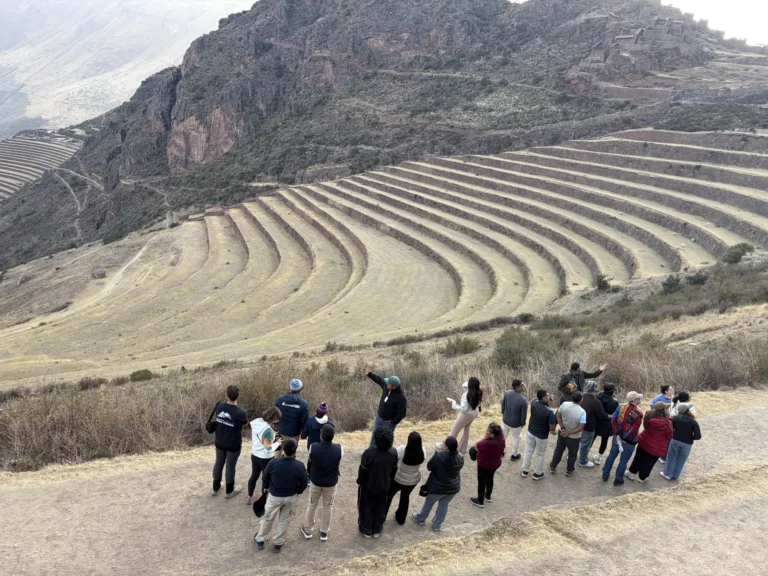
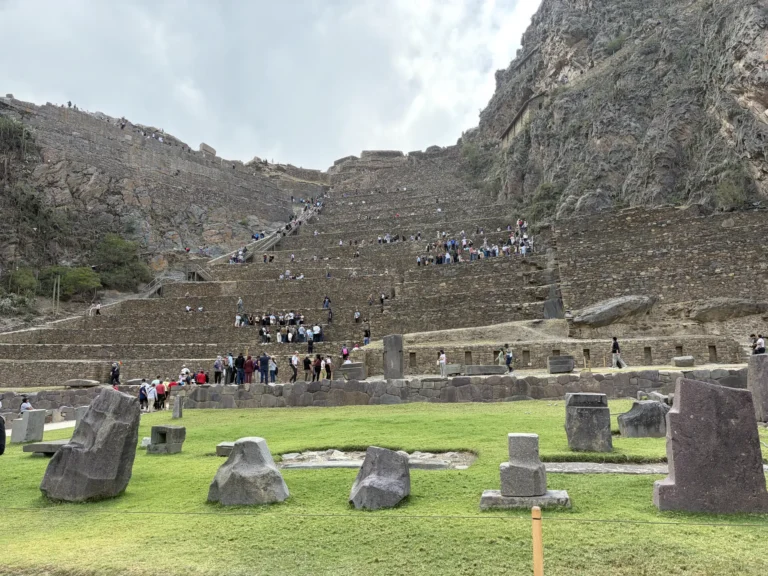
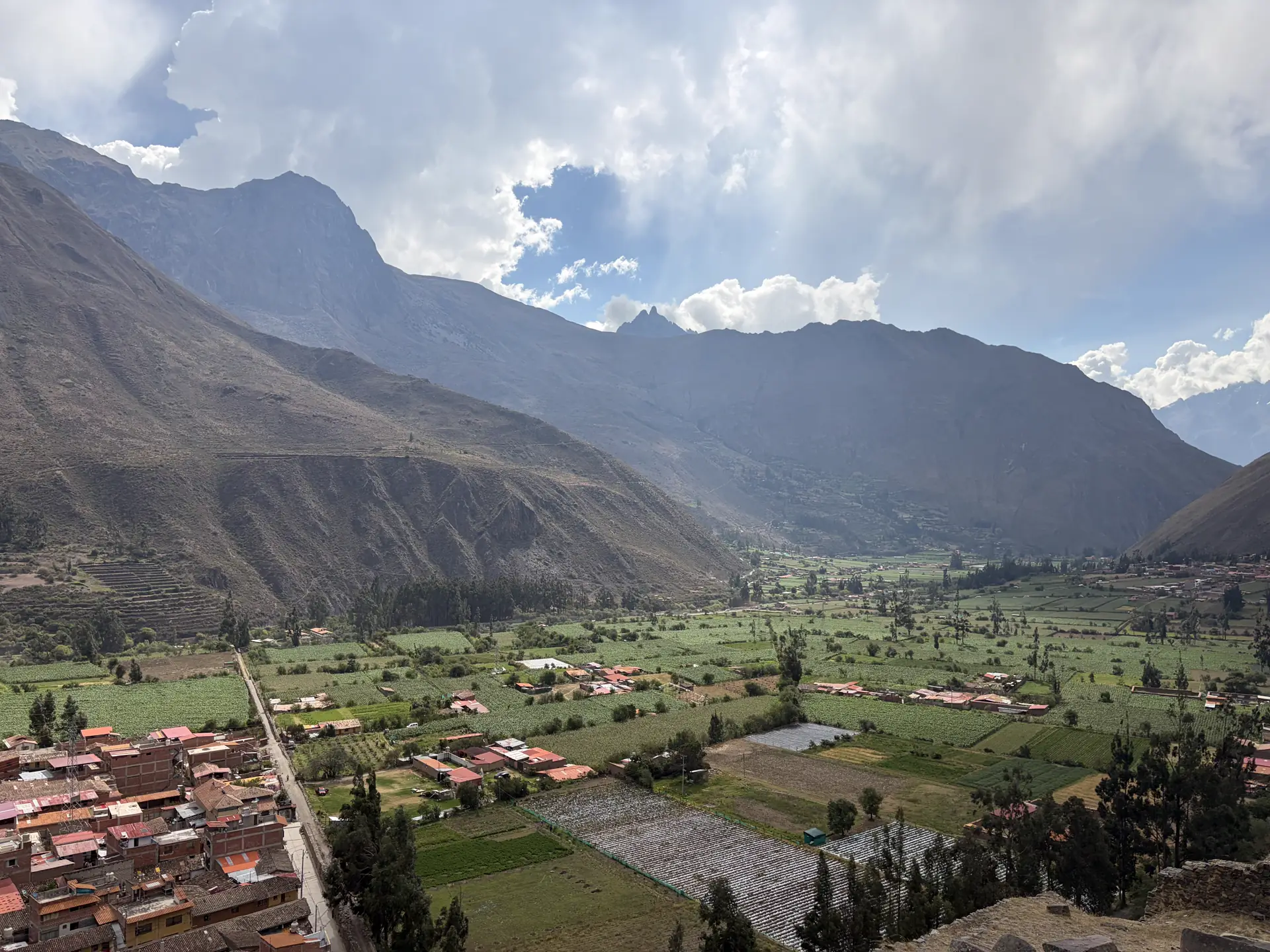
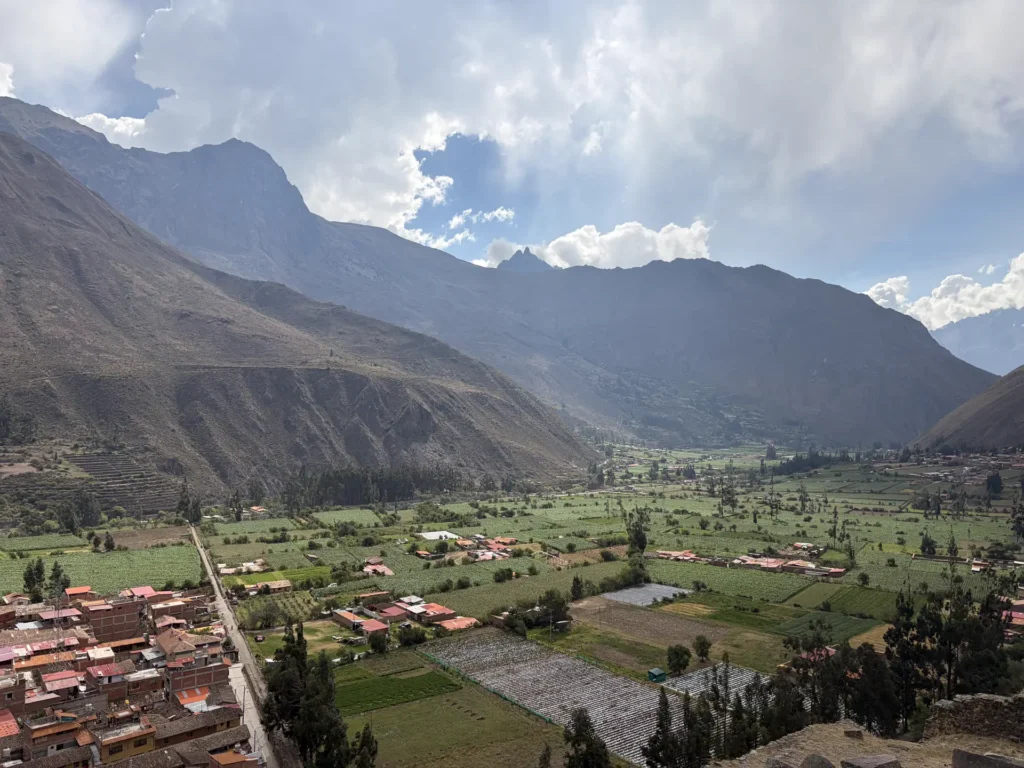
In a single flight you go from Lima’s 162 m (531 ft) to the 3,310 m (10,860 ft) of Cusco airport. The CDC notes that, in cases like Cusco, you can go down to sleep at a lower altitude than the airport for one or two nights and then go up, and the Sacred Valley is lower than the city. That is why one option is to go first to the valley and Machu Picchu and leave the city of Cusco for later (this is our suggestion, not medical advice): read how to prevent altitude sickness (soroche) in Altitude of Machu Picchu, Cusco and the Sacred Valley.
Our Sacred Valley and Machu Picchu in 2 days tour follows that order: it travels through the valley, spends the night in Aguas Calientes and visits the citadel the next day. Afterwards you can see the city on the Cusco City Tour. If you want the whole trip, download our Cusco and Machu Picchu itinerary for 3, 4 or 5 days (PDF).
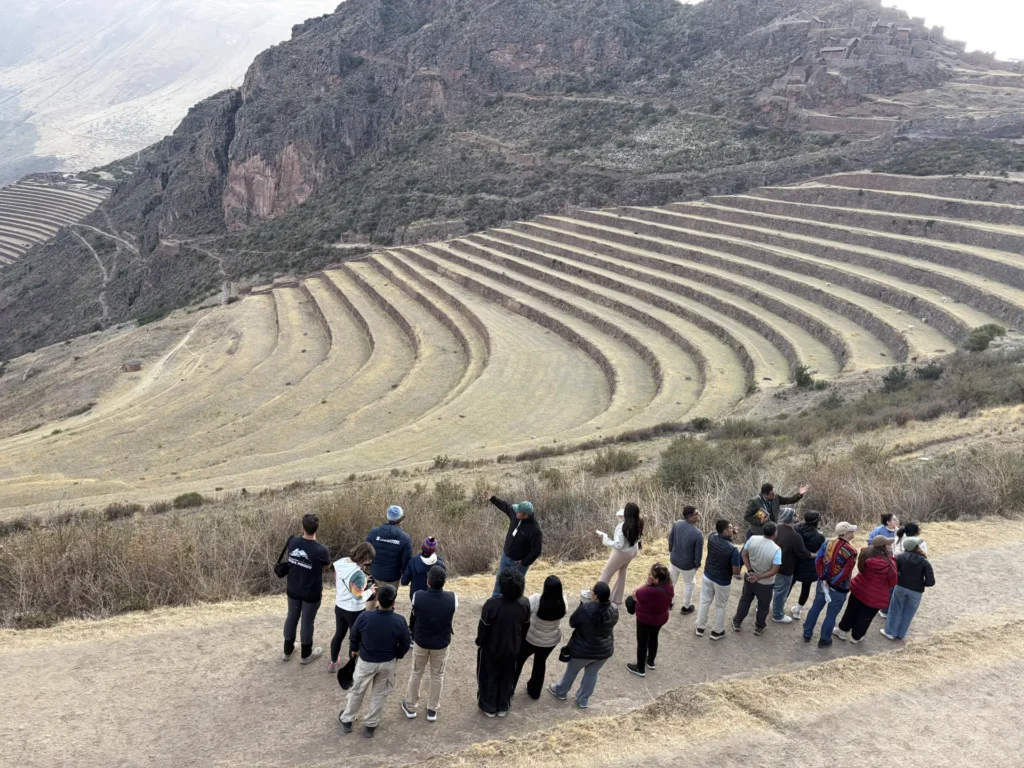
From Cusco to Machu Picchu
From Cusco, you get to Machu Picchu by train from Ollantaytambo, via Hidroeléctrica or along the Inca Trail: all the options are in how to get to Machu Picchu from Cusco. If you are short on time, the Machu Picchu Full Day by train goes there and back in a day. For tickets, opening hours and routes, read our guide to visiting Machu Picchu, and to choose the month, the best time to visit Machu Picchu. All the tours are in Machu Picchu tours from Cusco.
Official sources (checked in October 2026):
- Travel times: PromPerú, Cusco. Air routes: LATAM, SKY Airline and JetSMART.
- Lima airport: Lima Airport Partners; TUUA on domestic connections: El Peruano (June 2026). Cusco airport: CORPAC and Andina (extended hours).
- Passenger rights: Indecopi, quoted by El Peruano (June 2026).
- Buses: SUTRAN and MTC (national road network). Trains: OSITRAN and PeruRail (August 2026).
- Altitude: INEI (Lima), CORPAC (airport), Municipality of Cusco and PromPerú (city) and CDC, Yellow Book 2026.
Frequently asked questions
How long is the flight from Lima to Cusco?
Approximately 1 h 15 min to 1 h 30 min on a direct flight, according to PromPerú and the airlines.
How many hours is the bus from Lima to Cusco?
About 21 hours via Nasca and Abancay, or about 26 hours via Arequipa, according to PromPerú. The time depends on the company and the state of the road.
Is there a train from Lima to Cusco?
No. The railway networks of central and southern Peru are not connected. You can get to Cusco by train from Puno, with PeruRail.
Which airlines fly from Lima to Cusco?
In October 2026, LATAM, SKY Airline and JetSMART sell direct Lima – Cusco flights on their official websites.
How early should I arrive at Lima airport?
At least 2 hours before domestic flights, as recommended by Lima Airport Partners for the new Jorge Chávez terminal.
How far is Cusco airport from the city center?
About 5 km from the historic center, some 15 to 20 minutes by car depending on traffic.
How do I avoid altitude sickness (soroche) when I arrive in Cusco?
Rest for the first few hours, drink fluids and eat light meals. The CDC notes that it helps to sleep the first nights lower than the airport, as in the Sacred Valley, and go up afterwards.